
The Importance of Safety Certifications in Maritime Jobs
Safety training is the backbone of professional seafaring. Without valid certification, even the most experienced crew member cannot legally work onboard.
Why Safety Certifications Matter
- They protect lives
- They reduce operational risk
- They ensure legal compliance
- They improve vessel insurance profiles
- They increase employability
Core Certifications Most Employers Require
- STCW Basic Safety
- Proficiency in Survival Craft
- Medical First Aid
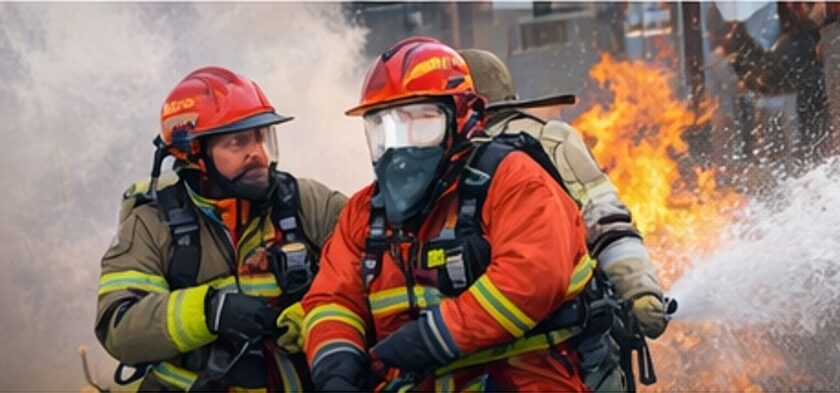
- Advanced Firefighting (for senior roles)
- Security Awareness
Keeping Certifications Current
Many certificates expire every 5 years. Recruiters regularly reject candidates due to expired documents, even when experience is strong.
We recommend:
- Tracking expiry dates
- Booking refreshers early
- Keeping digital copies available
How Recruiters Verify Certificates
Professional agencies:
- Check authenticity
- Confirm validity
- Match certificates to flag state rules
- Ensure compliance with vessel requirements
This protects both the crew member and the employer.
Tip:
If you’re unsure whether your documents are compliant, ask your recruiter to review them before applying.